31 days::31
Sunday, August 31, 2008
Saturday, August 30, 2008
Project 365::243
31 Days::30

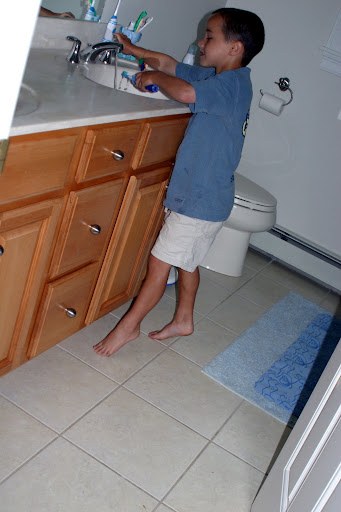
Shaving $250 off our payment and at least $100/month off gas.... We traded in our Toyota Highlander (which we barely used only for going back and forth to work) for a much more economical used 2005 Hyundai Elantra. Trevor was so patient and waited over 5 hours at the dealership (I have no idea what the hold up was) for the car deal to be finished. The little ones and I waited a lot of it at home, Thank god. Trevor was so excited about his new, "race car". He said, " Mom, I like new cars, but I don't like the paying or waiting part....I just wish they had a whole line of cars at a store and they were free and you could just go pick one out and drive one home, if it was the right car for you..." Just imagine.....
31 Days::30
Shaving $250 off our payment and at least $100/month off gas.... We traded in our Toyota Highlander (which we barely used only for going back and forth to work) for a much more economical used 2005 Hyundai Elantra. Trevor was so patient and waited over 5 hours at the dealership (I have no idea what the hold up was) for the car deal to be finished. The little ones and I waited a lot of it at home, Thank god. Trevor was so excited about his new, "race car". He said, " Mom, I like new cars, but I don't like the paying or waiting part....I just wish they had a whole line of cars at a store and they were free and you could just go pick one out and drive one home, if it was the right car for you..." Just imagine.....
Friday, August 29, 2008
In case you didn't know......
(from the NDSC)
Governor Sarah Palin of Alaska has been selected as John McCain’s choice for Vice Presidential nominee of the Republican Party. Governor Sarah Palin recently gave birth to her son who has Down syndrome. The Palins knew before their son’s birth that he would have Down syndrome.
Below are tips for the proper use of language for ‘Down syndrome’. The National Down Syndrome Society and the National Down Syndrome Congress encourages all media to use the below language:
· Down vs. Down’s. NDSS and NDSC use the preferred spelling, Down syndrome, rather than Down’s syndrome. While Down syndrome is listed in many dictionaries with both popular spellings (with or without an apostrophe s), the preferred usage in the United States is Down syndrome. This is because an “apostrophe s” connotes ownership or possession. Down syndrome is named for the English physician John Langdon Down, who characterized the condition, but did not have it. The AP Stylebook recommends using “Down syndrome” as well.
· People with Down syndrome should always be referred to as people first. Instead of “a Down syndrome child,” it should be “a child with Down syndrome.” Also avoid “Down’s child” and describing the condition as “Down’s,” as in, “He has Down’s.”
· Down syndrome is a condition or a syndrome, not a disease.
· People “have” Down syndrome, they do not “suffer from” it and are not “afflicted by” it.
· It is clinically acceptable to say “mental retardation,” but you may want to use the more socially acceptable “cognitive disability” or “cognitive impairment.”
Down Syndrome Myths and Truths
Myth: Down syndrome is a rare genetic disorder.
Truth: Down syndrome is the most commonly occurring genetic condition. One in every 733 live births is a child with Down syndrome, representing approximately 5,000 births per year in the United States alone. Today, more than 400,000 people in the United States have Down syndrome.
Myth: People with Down syndrome have a short life span.
Truth: Life expectancy for individuals with Down syndrome has increased dramatically in recent years, with the average life expectancy approaching that of peers without Down syndrome.
Myth: Most children with Down syndrome are born to older parents.
Truth: Most children with Down syndrome are born to women younger than 35-years-old simply because younger women have more children. However, the incidence of births of children with Down syndrome increases with the age of the mother.
Myth: People with Down syndrome are severely “retarded.”
Truth: Most people with Down syndrome have IQs that fall in the mild to moderate range of intellectual disability (formerly known as “retardation”). Children with Down syndrome fully participate in public and private educational programs. Educators and researchers are still discovering the full educational potential of people with Down syndrome.
Myth: Most people with Down syndrome are institutionalized.
Truth: Today people with Down syndrome live at home with their families and are active participants in the educational, vocational, social, and recreational activities of the community. They are integrated into the regular education system and take part in sports, camping, music, art programs and all the other activities of their communities. People with Down syndrome are valued members of their families and their communities, contributing to society in a variety of ways.
Myth: Parents will not find community support in bringing up their child with Down syndrome.
Truth: In almost every community of the United States there are parent support groups and other community organizations directly involved in providing services to families of individuals with Down syndrome.
Myth: Children with Down syndrome must be placed in segregated special education programs.
Truth: Children with Down syndrome have been included in regular academic classrooms in schools across the country. In some instances they are integrated into specific courses, while in other situations students are fully included in the regular classroom for all subjects. The current trend in education is for full inclusion in the social and educational life of the community. Increasingly, individuals with Down syndrome graduate from high school with regular diplomas, participate in post-secondary academic and college experiences and, in some cases, receive college degrees.
Myth: Adults with Down syndrome are unemployable.
Truth: Businesses are seeking young adults with Down syndrome for a variety of positions. They are being employed in small- and medium-sized offices: by banks, corporations, nursing homes, hotels and restaurants. They work in the music and entertainment industry, in clerical positions, childcare, the sports field and in the computer industry. People with Down syndrome bring to their jobs enthusiasm, reliability and dedication.
Myth: People with Down syndrome are always happy.
Truth: People with Down syndrome have feelings just like everyone else in the population. They experience the full range of emotions. They respond to positive expressions of friendship and they are hurt and upset by inconsiderate behavior.
Myth: Adults with Down syndrome are unable to form close interpersonal relationships leading to marriage.
Truth: People with Down syndrome date, socialize, form ongoing relationships and marry.
Myth: Down syndrome can never be cured.
Truth: Research on Down syndrome is making great strides in identifying the genes on chromosome 21 that cause the characteristics of Down syndrome. Scientists now feel strongly that it will be possible to improve, correct or prevent many of the problems associated with Down syndrome in the future.

(from the NDSC)
Governor Sarah Palin of Alaska has been selected as John McCain’s choice for Vice Presidential nominee of the Republican Party. Governor Sarah Palin recently gave birth to her son who has Down syndrome. The Palins knew before their son’s birth that he would have Down syndrome.
Below are tips for the proper use of language for ‘Down syndrome’. The National Down Syndrome Society and the National Down Syndrome Congress encourages all media to use the below language:
· Down vs. Down’s. NDSS and NDSC use the preferred spelling, Down syndrome, rather than Down’s syndrome. While Down syndrome is listed in many dictionaries with both popular spellings (with or without an apostrophe s), the preferred usage in the United States is Down syndrome. This is because an “apostrophe s” connotes ownership or possession. Down syndrome is named for the English physician John Langdon Down, who characterized the condition, but did not have it. The AP Stylebook recommends using “Down syndrome” as well.
· People with Down syndrome should always be referred to as people first. Instead of “a Down syndrome child,” it should be “a child with Down syndrome.” Also avoid “Down’s child” and describing the condition as “Down’s,” as in, “He has Down’s.”
· Down syndrome is a condition or a syndrome, not a disease.
· People “have” Down syndrome, they do not “suffer from” it and are not “afflicted by” it.
· It is clinically acceptable to say “mental retardation,” but you may want to use the more socially acceptable “cognitive disability” or “cognitive impairment.”
Down Syndrome Myths and Truths
Myth: Down syndrome is a rare genetic disorder.
Truth: Down syndrome is the most commonly occurring genetic condition. One in every 733 live births is a child with Down syndrome, representing approximately 5,000 births per year in the United States alone. Today, more than 400,000 people in the United States have Down syndrome.
Myth: People with Down syndrome have a short life span.
Truth: Life expectancy for individuals with Down syndrome has increased dramatically in recent years, with the average life expectancy approaching that of peers without Down syndrome.
Myth: Most children with Down syndrome are born to older parents.
Truth: Most children with Down syndrome are born to women younger than 35-years-old simply because younger women have more children. However, the incidence of births of children with Down syndrome increases with the age of the mother.
Myth: People with Down syndrome are severely “retarded.”
Truth: Most people with Down syndrome have IQs that fall in the mild to moderate range of intellectual disability (formerly known as “retardation”). Children with Down syndrome fully participate in public and private educational programs. Educators and researchers are still discovering the full educational potential of people with Down syndrome.
Myth: Most people with Down syndrome are institutionalized.
Truth: Today people with Down syndrome live at home with their families and are active participants in the educational, vocational, social, and recreational activities of the community. They are integrated into the regular education system and take part in sports, camping, music, art programs and all the other activities of their communities. People with Down syndrome are valued members of their families and their communities, contributing to society in a variety of ways.
Myth: Parents will not find community support in bringing up their child with Down syndrome.
Truth: In almost every community of the United States there are parent support groups and other community organizations directly involved in providing services to families of individuals with Down syndrome.
Myth: Children with Down syndrome must be placed in segregated special education programs.
Truth: Children with Down syndrome have been included in regular academic classrooms in schools across the country. In some instances they are integrated into specific courses, while in other situations students are fully included in the regular classroom for all subjects. The current trend in education is for full inclusion in the social and educational life of the community. Increasingly, individuals with Down syndrome graduate from high school with regular diplomas, participate in post-secondary academic and college experiences and, in some cases, receive college degrees.
Myth: Adults with Down syndrome are unemployable.
Truth: Businesses are seeking young adults with Down syndrome for a variety of positions. They are being employed in small- and medium-sized offices: by banks, corporations, nursing homes, hotels and restaurants. They work in the music and entertainment industry, in clerical positions, childcare, the sports field and in the computer industry. People with Down syndrome bring to their jobs enthusiasm, reliability and dedication.
Myth: People with Down syndrome are always happy.
Truth: People with Down syndrome have feelings just like everyone else in the population. They experience the full range of emotions. They respond to positive expressions of friendship and they are hurt and upset by inconsiderate behavior.
Myth: Adults with Down syndrome are unable to form close interpersonal relationships leading to marriage.
Truth: People with Down syndrome date, socialize, form ongoing relationships and marry.
Myth: Down syndrome can never be cured.
Truth: Research on Down syndrome is making great strides in identifying the genes on chromosome 21 that cause the characteristics of Down syndrome. Scientists now feel strongly that it will be possible to improve, correct or prevent many of the problems associated with Down syndrome in the future.

Thursday, August 28, 2008
Wednesday, August 27, 2008
Whats new....
I love good Mommy days:) Yesterday Josh went to the office and then had a boys nite out. The kids and I had a fabulous day! We went to the playground, the grocery store, had a healthly lunch, baked scones, read our fall books and went for a walk after dinner. It's so easy to be mindful and patient when it's not all me all the time. Lucas is taking off in his talking. He now puts two words together like "more snack," "Hi mama", "Hi dada". It is so cute! His favorite thing is running into Breanna's room in the morning and jumping on her bed, and of course he climbs everything and anything. Almost 18 months already! I'll post more stats then, but I just had to get these ones down now before I forget. We're gearing up for fall around here--one week until school starts. Have a great week!


Tuesday, August 26, 2008
Project 365::239
31 Days::26

31 Days::26
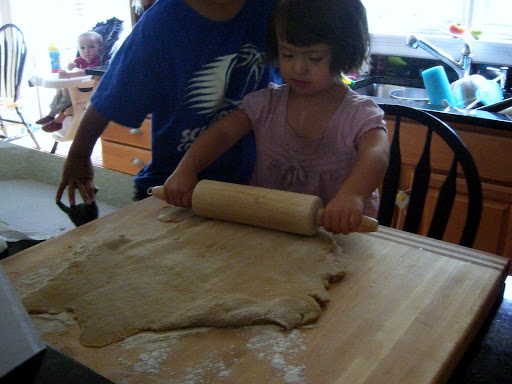
You were helping your sister make and roll out these scones. Yummy (and healthy)!
Monday, August 25, 2008
Sunday, August 24, 2008
Summer Vacation 2008 recap:
My favorite pics: Enjoy!!
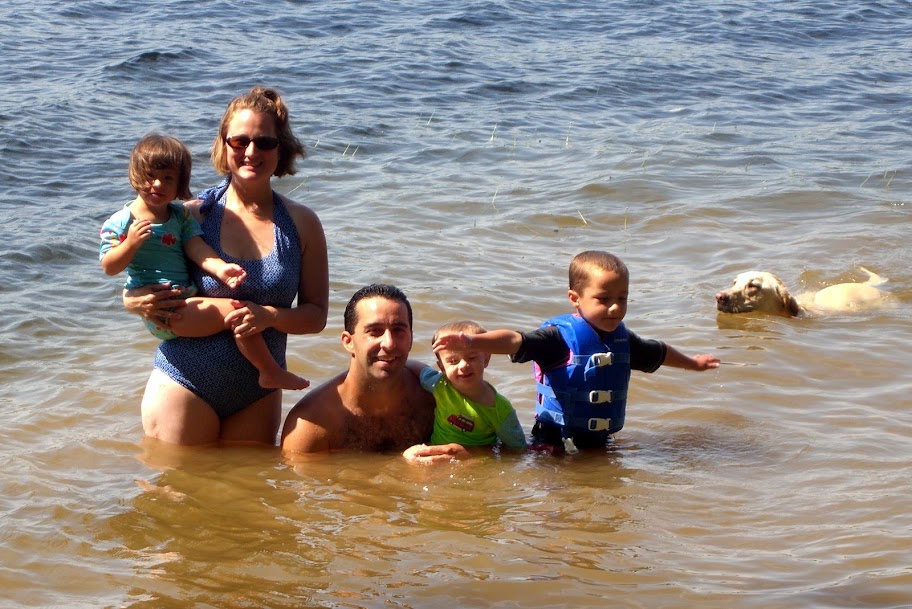
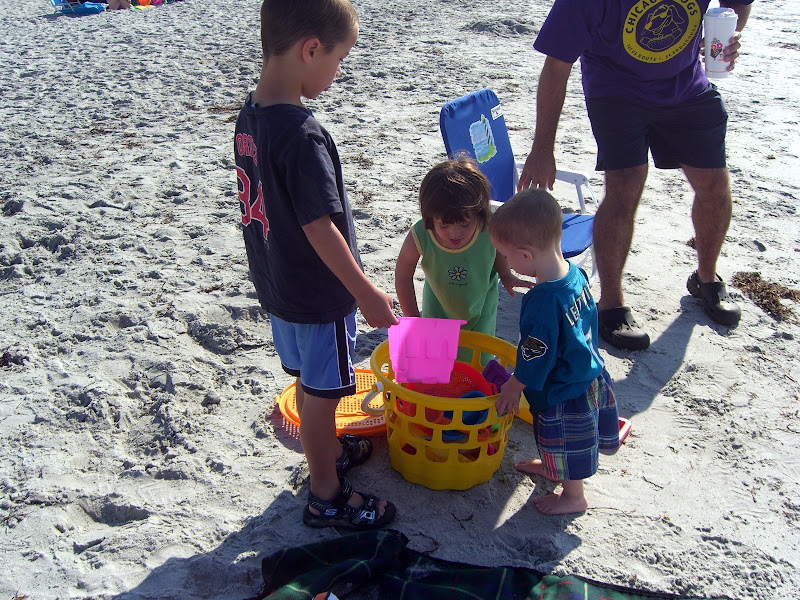
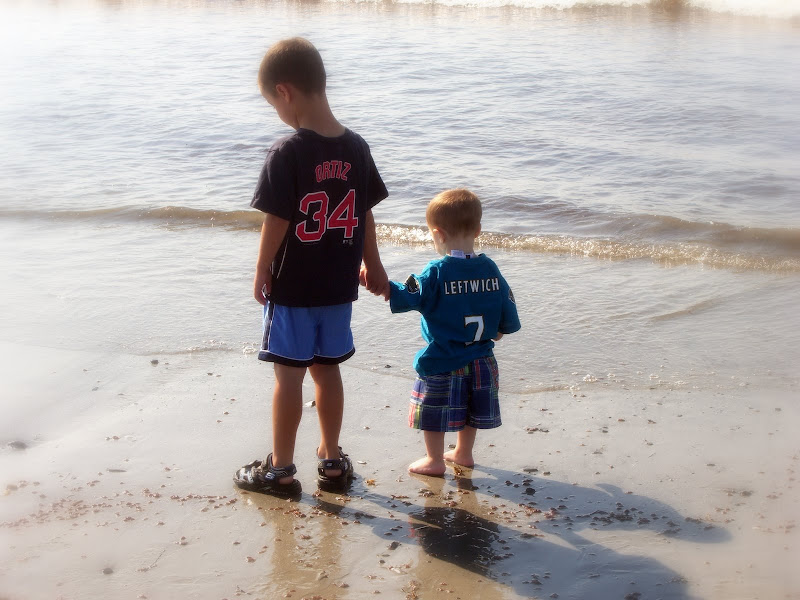
TRevor, Breanna and Lucas.....I hope someday when you are grown you can take a deep breath of the sweet, fresh summer air and remember these fun family times we had together, these are your childhood memories. If not....you certainly will have the pictures, LOL!
My favorite pics: Enjoy!!
TRevor, Breanna and Lucas.....I hope someday when you are grown you can take a deep breath of the sweet, fresh summer air and remember these fun family times we had together, these are your childhood memories. If not....you certainly will have the pictures, LOL!
Friday, August 22, 2008
Summer Vacation::7
Peaks Island, Portland,ME


Peaks Island, Portland,ME
another picture perfect day
a leisurely breakfast
carrying ALOT of stuff
a LONG wait for the ferry and a little meltdown by Lucas
a short ferry ride
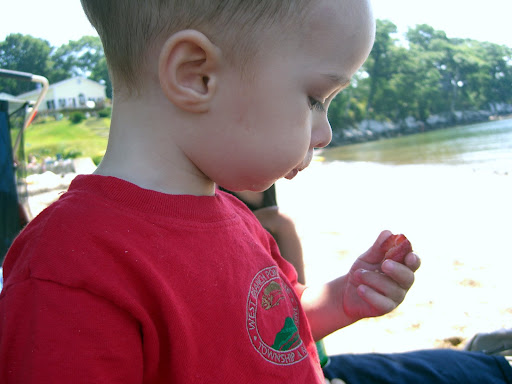
a picnic at the beach, playing in the water and sand
a little walk and some ice cream
another ferry ride
carrying ALOT of stuff back to the car
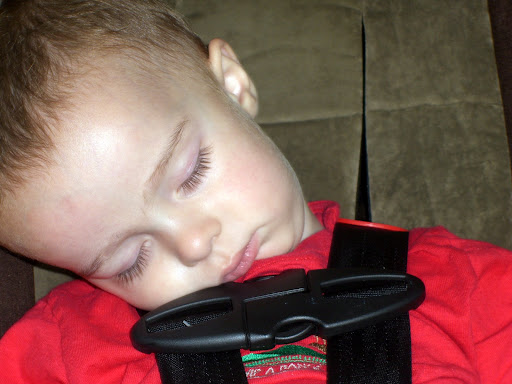
TIRED kids (and parents)
a little afternoon coffee
a little afternoon nap
a lobster, scallop and corn on the cob dinner
a little campfire
camping out in the tent.....what a day!
tommorrow...off to the lake. see you back here Sunday!
(what a different slower pace of life it is living on an island...)
Thursday, August 21, 2008
Summer Vacation::6
AM:: Fort Williams, Portland,ME
PM:: Aquaboggin water park, Saco, ME


Honestly, I never thought we could pull off a FUN day at the water park with these three being the ages they are, but we had a BLAST! Trevor enjoyed all the big slides, the go carts, the pool and bumper boats. Lucas and Breanna spent a while in the stroller and some time and the toddler splash and play. The park was big, so the stroller was easy to maneuver and there were NO lines for any of the slides. Actually, I'm not sure who enjoyed themselves more, Josh or Trevor. Bre and Lucas both fell asleep in the stroller in the late afternoon, so we just took turns sliding with Trevor to our hearts content. It was the most fun that we have had out as a family in a really long time:)
AM:: Fort Williams, Portland,ME
PM:: Aquaboggin water park, Saco, ME
Honestly, I never thought we could pull off a FUN day at the water park with these three being the ages they are, but we had a BLAST! Trevor enjoyed all the big slides, the go carts, the pool and bumper boats. Lucas and Breanna spent a while in the stroller and some time and the toddler splash and play. The park was big, so the stroller was easy to maneuver and there were NO lines for any of the slides. Actually, I'm not sure who enjoyed themselves more, Josh or Trevor. Bre and Lucas both fell asleep in the stroller in the late afternoon, so we just took turns sliding with Trevor to our hearts content. It was the most fun that we have had out as a family in a really long time:)
Subscribe to:
Posts (Atom)