Saving this for later......
Your IEP Action Plan
1. Long before your IEP meeting, take some time to step back and think: do you need help with this? The IEP process can be complicated. You don't have to do it all by yourself. Consider hiring a special education advocate. Advocates can take on many roles, from simply meeting with you and helping you organize your thoughts, to accompanying you to the IEP meeting.
2. In the months and weeks before your meeting, make sure your records and documents are all in order. Want to do this the easy way? Buy the new "My IEP Toolkit" at www.organized4kids.com. I just bought one and I can't wait until it arrives! It's a large, high-quality 3-ring binder with sections for every type of document you need to keep - completely organized and all in one place. It's got how-to's and tips galore, and it makes your IEP record-keeping effortless.
3. Keep a running list of all your questions and anything you want to discuss at the meeting. Put it in your binder.
4. About a month in advance, check in with all the teachers and professionals who work with your child. Find out what concerns they may have. You may be surprised to find out something you weren't aware of. This serves two purposes: first, you can address these concerns in your Parent Statement; and second, you don't want any surprises at the IEP meeting!
5. Three or four weeks before your meeting, start writing your Parent Statement. You will want plenty of time to re-read it and revise it before the big day. Make copies of your Parent Statement for everyone who will be attending -- and put the copies in your binder.
6. A few days in advance, figure out what you want to wear. Make sure you've got groceries in the house, and enough laundry done. Do anything ahead that will make the morning of your IEP meeting go smoothly.
7. Decide in advance what you want waiting for you when you get home that day. Have your favorite CD ready to play, a favorite food prepared, a set of comfy clothes to change into ... you get the idea!
8. Also in advance, block off a little bit of down time right after the meeting for you. When you give yourself some time to recover, the rest of your day will go much more smoothly.
9. You may also want to plan ahead to do something fun, relaxing, or rejuvenating within a day or two of the meeting. You'll have something to look forward to - and an antidote to that drained, overwhelmed feeling that sometimes comes along during IEP time.
10. And while you're looking at your calendar, set aside some time during the days following the meeting in case you need to follow up on ideas and suggestions from the IEP team. The time it takes to make phone calls, send emails, and do research can really add up!
11. Eat a good dinner and go to bed early the night before, and eat a good breakfast the morning of the meeting.
12. In the hours before the meeting, take several "time outs" to close your eyes and breathe deeply.
13. Bring water to the meeting, and sip every few minutes.
14. During the meeting, ask all the questions you want, and don't be afraid to ask people to repeat or rephrase. It can be hard to take it all in at once. Be sure the meeting progresses at a pace you're comfortable with. Jot down notes during the discussion for anything you want to clarify or follow up on.
15. Immediately after the meeting, look over your notes, fill in any incomplete information, and add anything you know you're going to want to remember. Put the notes in your binder, then put it away for at least a few hours. Go for a walk, even if it's just for a few minutes.
16. Ideally, make dinner ahead, so you can give yourself a break that evening -- less kitchen work and more time to sit and eat with your children -- and enjoy them just the way they are.




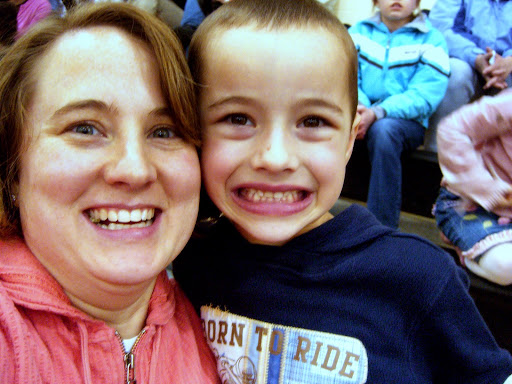 Trevor and I had the opportunity to attend a Gym Dandies show at the high School last night. The Gym Dandies are a very unique group of Children's circus performers exclusive to our town. The Children are in 3rd-8th grade, and perform acts such as unicycling and juggling. They perform all over the country including the Macy's parade and in Washington D.C. We had to leave a little early for Trevor's 8 oclock bedtime, but it was REALLY fun. I took LOTS of video (so Josh could see it too, he had to stay behind with the little ones.) Pause the music below and Enjoy!
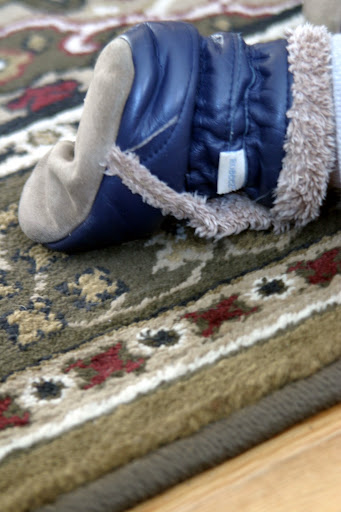 These little booties from Robeez have been my favorite cozy little baby thing this winter. Lucas has worn them every day since Christmas.
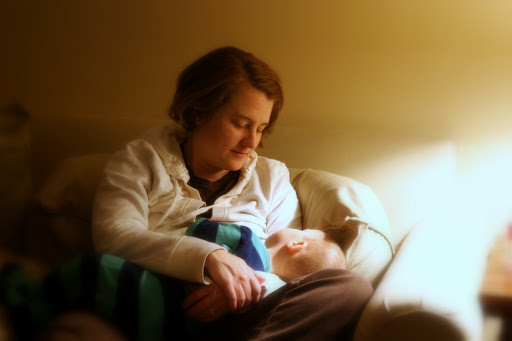 Sweet Dreams My Little One....As I watch you sleep, I want to make time stand still. I will remember your tiny little hands and sweet baby's breath long after the day is done....Long after the years have passed. You are my beautiful child and I will love you forever.